"The lover can see, and the knowledgeable."
—Annie Dillard, "Seeing," Pilgrim at Tinker Creek
Showing posts with label syllabus. Show all posts

25 January 2011

syllabus • spring 2011

Life Drawing I • Spring 2011
Micheels Hall 287

ART 301-001
Monday/Wednesday/Friday • 10:10 am –12:10 pm

ART 301-002
Tuesday/Thursday • 11:15 – 2:20 pm


Amy Fichter
Associate Professor
Applied Arts 306B

Office hours:
Mondays, 12:10 pm – 2:10 pm
& by appointment
ext. 5335
fichtera@uwstout.edu


Final Exam Dates:
Friday, May 13, 8:00 – 9:50 am (ART 301-001)
Friday, May 13, 2:00 – 3:50 pm (ART 301-002)

PreRequisites

Students must have completed Drawing I (ART 100) and Drawing II (ART 200) before participating in Life Drawing I (ART 301).

Course Objectives
Through participation in Life Drawing I, you will:

•Understand and use a structural approach to drawing
- Perceive three-dimensional form and translate this form to the two-dimensional picture plane

- Comprehend a subject’s planar make-up and correctly prioritize primary and secondary planes

-    Use a linear, as opposed to painterly, approach to drawing the figure, including value


• Develop a working knowledge of artistic anatomy through lectures, drawings, and clay modeling
- Draw a structural representation of the human figure utilizing long axis, cross contour, and muscle attachment lines

- Demonstrate anatomical understanding through drawing anatomical landmarks

- Build a convincing and well-crafted clay model of the muscles important for drawing

• Refine your mark-making skills and ability to make and understand how line creates a sense of space on the picture plane.
- Practice gesture drawing and contour drawing separately, in order to, ultimately, achieve a synthesis of the two

- Become aware of your own kinesthetic sense and its ability to teach yourself about the body and about drawing


• Communicate effectively about the drawing process via writing, blog posting, image sharing, class critiques, and one-on-one critiques with the instructor.
- Keep a class blog that will serve as space for posting images, text, responding to other students, and reflecting upon your learning in the course

- Be responsible to yourself and the other students in the class for having meaningful class discussions and becoming better artists through those discussions


Evaluations & Expectations
• I expect you to complete:

- In-class drawings. (30%)
- Homework drawings. Homework will be graded on the quality of the drawing and the demonstrated understanding of the topics covered in that particular assignment. (25%)
- Assigned clay building on your Maniken, both in-class and for homework. Maniken assignments will be graded on the quality of clay building, accuracy of form and attachments, and completeness of work. (25%)
- Blog assignments/weekly reflections. (20%)


Field Trip
There is a mandatory field trip for this class. The date will be announced within the first few weeks of the semester. You must make arrangements with other professors and/or work obligations to be gone from 8:00 am - 5:30 pm on this day. Please email me the names and email addresses of other professors you have on that day and I will send a note for you. I can also give a hand-written note if necessary. The only cost of the field trip for you will be food.


Attendance
It’s important that you are in class—for access to the model, to hear comments I make, and to experience drawing in a studio setting. The class happens because all of you are here working together.
Let me know via e-mail if you can’t make it to class.
Rely on your classmates to show you drawings and notes you may have missed.
After 3 absences, your grade will be lowered.
After 7 absences, you will fail the class.

Grading Policy
Your grade will be based primarily on your final e-portfolio in which you showcase your learning over the semester and best examples from the class. This e-portfolio will include gesture drawings, long drawings, images of your maniken, and written reflections.


A mid-term e-portfolio will be graded to give you an idea of your standing in the class at that point.


Your grade will also be affected by such “subjective” qualities as these:

1. are you present?
2. in mind as well as body?
3. open to suggestions?
4. helpful in class discussions?
5. awake during lecture time?


For most of the semester I am your coach/advocate. I will encourage, support, and challenge you in order for you to become a better artist.

During midterm and final grading (and in other critique sessions), my role shifts from advocate to judge. It is then my job to give you a fair and accurate gauge of where your work and class participation fit within the standards and expectations of the university and of the larger art & design professional community.

Save and document all your drawings from the semester.

Materials
Newsprint 18" x 24" or 24” x 36”
Canson "Biggie" white drawing paper (Biggie pad) 18” x 24” or larger
Strathmore drawing pad, 80 lb. (24 sheets, I think) *OPTIONAL
Drawing board
Clips
Charcoal/Charcoal pencils
Conte/Conte pencils
X-acto knife with extra blades
Sandpaper (medium grit)
Pencil sharpener
White plastic eraser
Clic eraser (refillable)
Masking tape
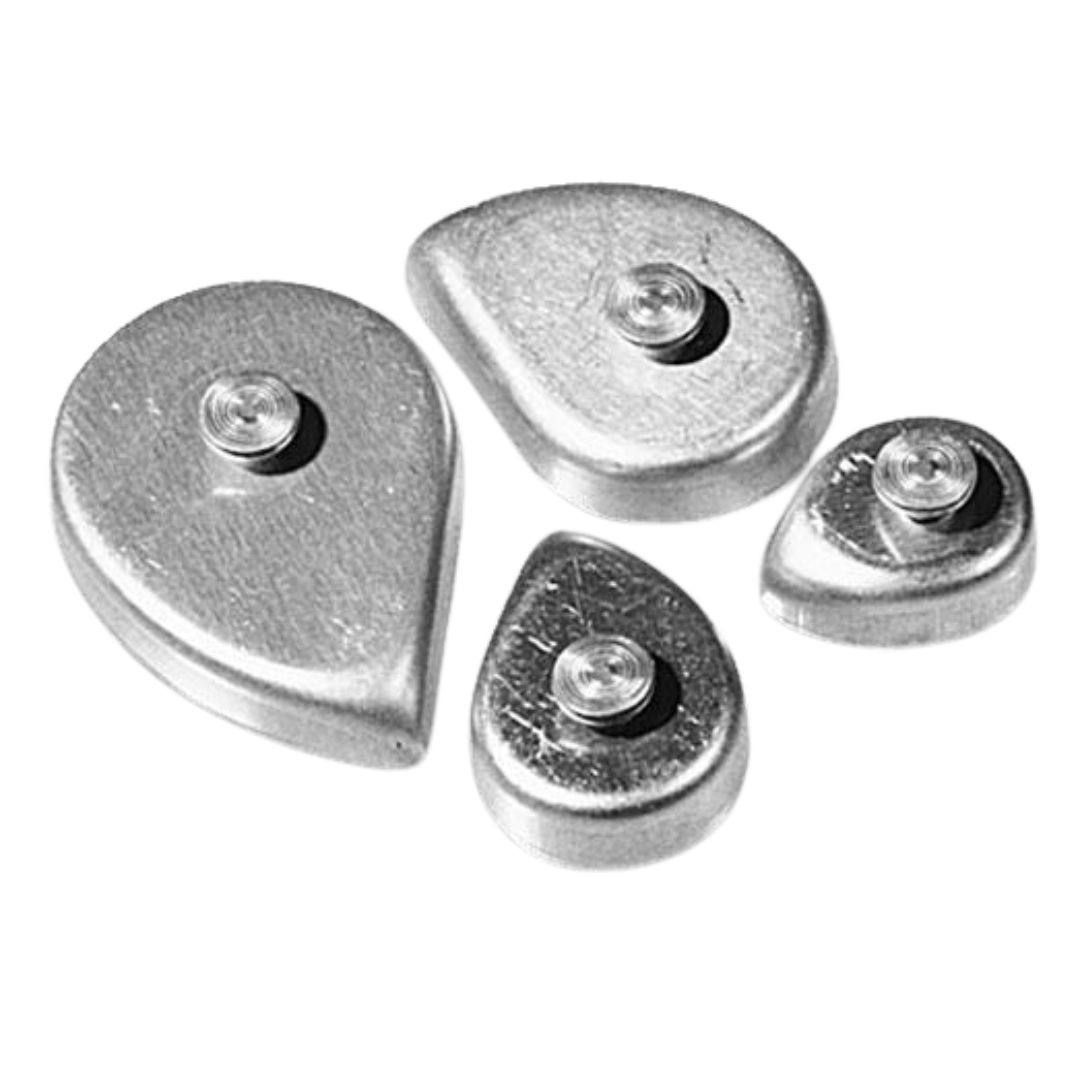
Clay tools
1.    Paring knife [http://www.amazon.com/NorPro-Norpro-923-Paring-Knife/dp/B000HEFC3O]
2.    X-acto knife
3.    Kemper ribbon tool [http://www.dickblick.com/1/1/42395-r2-kemper-ribbon-tools.html#photos]
4.    Cutting board [http://www.tiger-cub.co.uk/epages/es109259.sf/en_GB/?ObjectPath=/Shops/es109259_shop/Products/301081]
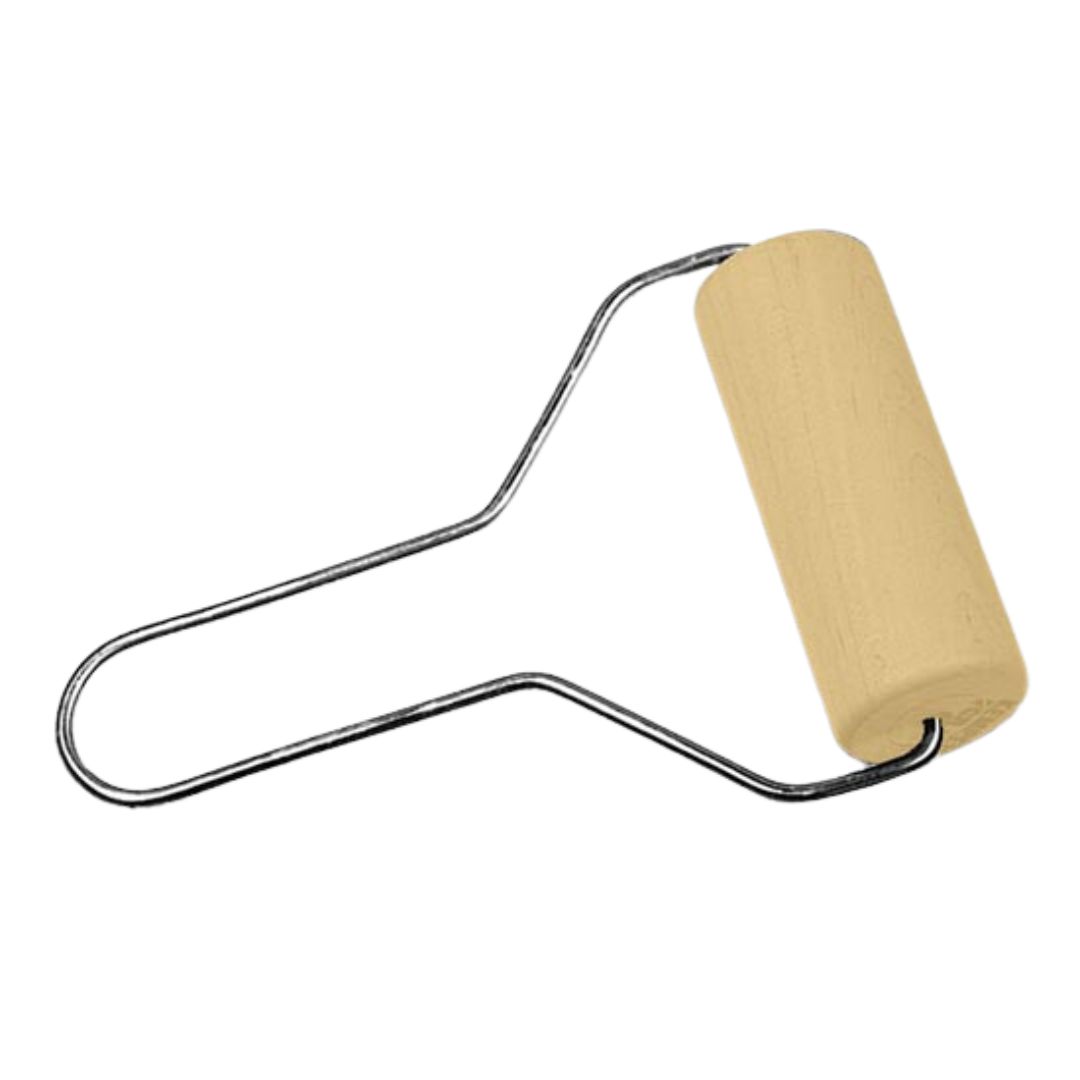
5.    Flower clay roller (kemper) [http://www.nationalartcraft.com/images/sub-0625-02.jpg]
6.    Clay gun (kemper) [http://www.nationalartcraft.com/images/sub-0625-03.jpg] *optional


Atlas of Human Musculature in Clay (volumes 1 – 5),
Jon Zahourek, ed. Kenneth Morgareidge, Zahourek Systems, Inc., 1994.

In addition to the texts, each student will be checked out a half Maniken for his/her use during the semester. The Manikens are property of UW-Stout Instructional Resources Services. You are responsible for the Maniken checked out to you. If any part of the Maniken is missing, lost, damaged, etc., the student will be financially responsible to replace it through IRS.

Videos

World Famous Lectures on Artistic Anatomy & Figure Drawing
Robert Beverly Hale

Lecture 1 Rib Cage 78 Minutes
Lecture 2 Pelvis 81 minutes
Lecture 3 Leg 74 minutes
Lecture 4 Foot 72 minutes
Lecture 5 Shoulder Girdle I 77 minutes
Lecture 6 Shoulder Girdle ll 68 minutes
Lecture 7 Arm 76 minutes
Lecture 8 Hand 80 minutes
Lecture 9 Head/Skull 80 minutes
Lecture 10 Head and Features 97 minutes

These are available for checkout in the library.

Art Education Artifacts

The course objectives of this course meet:
• Wisconsin Standard 1: The teacher understands the central concepts, tools of inquiry, and structures of the discipline(s) he or she teaches.
• UW Stout School of Education Domain 1a: Demonstrating knowledge of content and pedagogy.
• Wisconsin Standard 9: The teacher is a reflective practitioner.
Portfolio Artifact: best work as determined by student and professor
• Art education students will be required to reflect in writing on this artifact.
• Art education students will be required to upload papers and digital images of their studio works into their e-portfolios.


25 January 2010

spring 2010 syllabus (ART 301-001 and ART 301-002)

Life Drawing I • Spring 2010
Applied Arts 303


ART 301-001
Monday/Wednesday • 2:30 – 5:35 pm
ART 301-002
Tuesday/Thursday • 11:15 – 2:20 pm


Amy Fichter
Associate Professor
Applied Arts 306B

Office hours:
Fridays, 11:00 am – 1:00 pm
& by appointment
ext. 5335

PreRequisites
Students must have completed Drawing I (ART 100) and Drawing II (ART 200) before participating in Life Drawing I (ART 301).

Course Objectives
Through participation in Life Drawing I, you will:

1) Understand and use a structural approach to drawing
  • Perceive three-dimensional form and translate this form to the two-dimensional picture plane
  • Comprehend a subject’s planar make-up and correctly prioritize primary and secondary planes
  • Use a linear, as opposed to painterly, approach to drawing the figure, including value

2) Develop a working knowledge of artistic anatomy through lectures, drawings, and clay modeling
  • Draw a structural representation of the human figure utilizing long axis, cross contour, and muscle attachment lines
  • Demonstrate anatomical understanding through drawing anatomical landmarks
  • Build a convincing and well-crafted clay model of the muscles important for drawing

3) Refine your mark-making skills and ability to make and understand how line creates a sense of space on the picture plane.
  • Practice gesture drawing and contour drawing separately, in order to achieve a synthesis of the two
  • Become aware of your own kinesthetic sense and its ability to teach yourself about the body and drawing

4) Communicate effectively about the drawing process via writing, blog posting, image sharing, class critiques, and one-on-one critiques with the instructor.
  • Keep a class blog that will serve as space for posting images, text, responding to other students, and reflecting upon your learning in the course
  • Be responsible to yourself and the other students in the class for having meaningful class discussions and becoming better artists through those discussions

Evaluations & Expectations
I expect you to complete:
  • In-class drawings. (30%)
  • Homework drawings (Shells). Homework will be graded on the quality of the drawing and the demonstrated understanding of the topics covered in that particular assignment. This includes the final homework assignment (self-portrait). (25%)
  • Assigned clay building on your Maniken, both in-class and for homework. Maniken assignments will be graded on the quality of clay building, accuracy of form and attachments, and completeness of work. (25%)
  • Blog assignments/weekly reflections. (20%)

Field Trip
There is a mandatory field trip for this class. The date is set for Wednesday, February 24. You must make arrangements with other professors and/or work obligations to be gone from 8:00 am - 5:30 pm on this day. Please email me the names and email addresses of other professors you have on that day and I will send a note for you. I can also give a hand-written note if necessary. I am planning a trip for us to visit the Bell Museum of National History on the University of Minnesota campus and the Walker Art Center. The only cost of the field trip for you will be food.

Attendance
It’s important that you are in class—for access to the model, to hear comments I make, and to experience drawing in a studio setting. The class happens because all of you are here working together.
Let me know via e-mail if you can’t make it to class.
Rely on your classmates to show you drawings and notes you may have missed.
After 3 absences, your grade may be lowered.
After 7 absences, you may fail the class.

Grading Policy
• Your grade will be based primarily on your final e-portfolio in which you showcase your learning over the semester and best examples from the class. This e-portfolio will include in-class drawings (gesture drawings and long-pose drawings), homework drawings, maniken work, and blog reflections. This portfolio will consist of a blog summary with a link to a flickr or photobucket account that includes a larger set of images (drawings, maniken photos) from the semester.

• A mid-term e-portfolio will be graded to give you an idea of your standing in the class at that point, but may be overridden by the quality of your final portfolio. In other words, the two grades will not be “averaged” for your final grade.

• Your grade will also be affected by such “subjective” qualities as these:
1. Are you present?
2. In mind as well as body?
3. Open to suggestions?
4. Helpful in class discussions?
5. Awake during lecture time?

It is part of my job—my responsibility—to give you a grade that lets you and other art “authorities” (other professors, employers, grad schools, gallery owners, etc.) know how your final portfolio and overall attitude during class measure up to given standards.

One useful way to think about grades is to consider them guides as to how other art professionals (besides me) would view your portfolio. How would a design firm see your work? A graduate school acceptance committee? Other professors in the Art & Design department? Gallery owners?

If I imagine I am an employer of designers, an A would mean you could start right away, a B would mean you might get hired if you get some more experience and refine your portfolio, a C would mean you are not ready for the job.

Likewise, if you are considering graduate school, an A would mean your work is of the quality that would get you accepted into a grad program, a B would indicate that you might get accepted if you worked on your portfolio some more, a C would mean you are not ready to apply for graduate studies (in Drawing/Life Drawing, anyway).

Save and document all your drawings from the semester.

Materials
Newsprint 18" x 24" or 24” x 36”
Canson "Biggie" white drawing paper (Biggie pad) 18” x 24” or larger
Drawing board
Clips
Charcoal
Charcoal pencils
Conte
Conte pencils
X-acto knife
Sandpaper
Pencil sharpener
White plastic eraser
Clic eraser (refillable)
Masking tape
Clay tools


For shell drawings, beginning Wednesday, February 17:
22” x 30” Stonehenge or similar high-quality drawing paper (minimum 4 sheets)
masking tape
ink (india ink, black, brown, sepia, red, etc.)
bamboo brush
varnish brush
cups for ink and water


Atlas of Human Musculature in Clay (volumes 1 – 5), Jon Zahourek, ed. Kenneth Morgareidge, Zahourek Systems, Inc., 1994.

In addition to the texts, each student will be checked out a half Maniken for his/her use during the semester. The Manikens are property of UW-Stout Instructional Resources Services. You are responsible for the Maniken checked out to you. If any part of the Maniken is missing, lost, damaged, etc., the student will be financially responsible to replace it through IRS.


Videos
World Famous Lectures on Artistic Anatomy & Figure Drawing
Robert Beverly Hale

Lecture 1 Rib Cage 78 Minutes
Lecture 2 Pelvis 81 minutes
Lecture 3 Leg 74 minutes
Lecture 4 Foot 72 minutes
Lecture 5 Shoulder Girdle I 77 minutes
Lecture 6 Shoulder Girdle ll 68 minutes
Lecture 7 Arm 76 minutes
Lecture 8 Hand 80 minutes
Lecture 9 Head/Skull 80 minutes
Lecture 10 Head and Features 97 minutes

These are available for checkout in the library.

Art Education Artifacts
The course objectives of this course meet:
• Wisconsin Standard 1: The teacher understands the central concepts, tools of inquiry, and structures of the discipline(s) he or she teaches.
• UW Stout School of Education Domain 1a: Demonstrating knowledge of content and pedagogy.
• Wisconsin Standard 9: The teacher is a reflective practitioner.
Portfolio Artifact: best work as determined by student and professor
• Art education students will be required to reflect in writing on this artifact.
• Art education students will be required to upload papers and digital images of their studio works into their e-portfolios.

10 September 2009

syllabus, fall 2009

Life Drawing I
Applied Arts 303

ART 301-002

Tuesday/Thursday • 11:15 – 2:20 pm

ART 301-001
Tuesday/Thursday • 2:30 – 5:35 pm


Amy Fichter
Associate Professor
Applied Arts 306B

Office hours:
Fridays, 10:00 am – 1:00 pm
& by appointment
ext. 5335
fichtera@uwstout.edu

PreRequisites
Students must have completed Drawing I (ART 100) and Drawing II (ART 200) before participating in Life Drawing I (ART 301).

Course Objectives
Through participation in Life Drawing I, you will:
• Understand and use a structural approach to drawing
➢ Perceive three-dimensional form and translate this form to the two-dimensional picture plane
➢ Comprehend a subject’s planar make-up and correctly prioritize primary and secondary planes
➢ Use a linear, as opposed to painterly, approach to drawing the figure, including value

• Develop a working knowledge of artistic anatomy through lectures, drawings, and clay modeling
➢ Draw a structural representation of the human figure utilizing long axis, cross contour, and muscle attachment lines

• Practice gesture drawing and contour drawing separately, in order to, ultimately, achieve a synthesis of the two
• Become aware of your own kinesthetic sense and its ability to teach yourself about the body and about drawing
• Build on line quality and mark-making skills
• Be responsible to yourself and the other students in the class for having meaningful class discussions and becoming better artists through those discussions
• Keep a class blog that will serve as space for posting images, text, responding to other students, and reflecting upon your learning in the course

Evaluations & Expectations
• I expect you to complete:
➢ In-class drawings.
➢ Assigned clay building on your Maniken, both in-class and for homework. Maniken assignments will be graded on the quality of clay building, accuracy of form and attachments, and completeness of work.
➢ Homework drawings. Homework will be graded on the quality of the drawing and the demonstrated understanding of the topics covered in that particular assignment.
➢ Blog assignments/weekly reflections.
➢ Final exam drawing(s).


We will meet during the following final exam times:
ART 301-002 (T/TH 11:15 – 2:20 class): Thursday, December 17, 2:00 - 3:50 p.m.
ART 301-001 (T/TH 2:30 – 5:35 class): Monday, December 21, 2:00 - 3:50 p.m.

Field Trip
There is a mandatory field trip for this class. You must make arrangements with other professors and/or work obligations to be gone from 8:30 am - 5:30 pm on the field trip day. I am planning a trip for us to visit the Bell Museum of National History on the University of Minnesota campus and the Minnesota Institute of Arts. This will fall on a Tuesday or Thursday in mid-November. I will give you a definite date as soon as I have confirmed reservations with the museums and with bus transportation. The only cost of the field trip for you will be food.

Attendance
It’s important that you are in class—for access to the model, to hear comments I make, and to experience drawing in a studio setting. The class happens because all of you are here working together.
Let me know via e-mail if you can’t make it to class.
Rely on your classmates to show you drawings and notes you may have missed.
After 3 absences, your grade may be lowered.
After 7 absences, you may fail the class.

Grading Policy
• Your grade will be based primarily on your final e-portfolio in which you showcase your learning over the semester and best examples from the class. This e-portfolio will include gesture drawings, long-pose drawings, maniken work, and blog summaries.

• A mid-term e-portfolio will be graded to give you an idea of your standing in the class at that point, but may be overridden by the quality of your final portfolio. In other words, the two grades will not be “averaged” for your final grade.

• Your grade will also be affected by such “subjective” qualities as these:
1. Are you present?
2. In mind as well as body?
3. Open to suggestions?
4. Helpful in class discussions?
5. Awake during lecture time?

It is part of my job—my responsibility—to give you a grade that lets you and other art “authorities” (other professors, employers, grad schools, gallery owners, etc.) know how your final portfolio and overall attitude during class measure up to given standards.

One useful way to think about grades is to consider them guides as to how other art professionals (besides me) would view your portfolio. How would a design firm see your work? A graduate school acceptance committee? Other professors in the Art & Design department? Gallery owners?

If I imagine I am an employer of designers, an A would mean you could start right away, a B would mean you might get hired if you get some more experience and refine your portfolio, a C would mean you are not ready for the job.

Likewise, if you are considering graduate school, an A would mean your work is of the quality that would get you accepted into a grad program, a B would indicate that you might get accepted if you worked on your portfolio some more, a C would mean you are not ready to apply for graduate studies (in Drawing/Life Drawing, anyway).

Save all your drawings from the semester.


Materials
Newsprint 18" x 24" or 24” x 36”
Canson "Biggie" white drawing paper (Biggie pad) 18” x 24” or larger
Strathmore drawing pad, 80 lb. (24 sheets, I think)
Drawing board
Clips
Charcoal
Charcoal pencils
Conte
Conte pencils
X-acto knife
Sandpaper
Pencil sharpener
White plastic eraser
Clic eraser (refillable)
Masking tape
Clay tools

Atlas of Human Musculature in Clay (volumes 1 – 5), Jon Zahourek, ed. Kenneth Morgareidge, Zahourek Systems, Inc., 1994.

In addition to the texts, each student will be checked out a half Maniken for his/her use during the semester. The Manikens are property of UW-Stout Instructional Resources Services. You are responsible for the Maniken checked out to you. If any part of the Maniken is missing, lost, damaged, etc., the student will be financially responsible to replace it through IRS.

Videos
World Famous Lectures on Artistic Anatomy & Figure Drawing
Robert Beverly Hale

Lecture 1 Rib Cage 78 Minutes
Lecture 2 Pelvis 81 minutes
Lecture 3 Leg 74 minutes
Lecture 4 Foot 72 minutes
Lecture 5 Shoulder Girdle I 77 minutes
Lecture 6 Shoulder Girdle ll 68 minutes
Lecture 7 Arm 76 minutes
Lecture 8 Hand 80 minutes
Lecture 9 Head/Skull 80 minutes
Lecture 10 Head and Features 97 minutes

These are available for checkout in the library.

Art Education Artifacts
The course objectives of this course meet:
• Wisconsin Standard 1: The teacher understands the central concepts, tools of inquiry, and structures of the discipline(s) he or she teaches.
• UW Stout School of Education Domain 1a: Demonstrating knowledge of content and pedagogy.
• Wisconsin Standard 9: The teacher is a reflective practitioner.
Portfolio Artifact: best work as determined by student and professor
• Art education students will be required to reflect in writing on this artifact.
• Art education students will be required to upload papers and digital images of their studio works into their e-portfolios.

17 September 2008

check out...

... the updates to the syllabus post. the complete, official version is now on the blog! you'll want to read the whole thing. let me know if you have any questions about it.

quick link here

09 September 2008

art 301 (oo1 & oo2) syllabus


life drawing one • syllabus

"the true artist is after the problem. the false artist wants it solved (by somebody else)."
--jeannette winterson
art objects

*save all your drawings from the semester.


pre•requisites
students must have completed drawing one (art 100) and drawing two (art 200) before participating in life drawing one (art 301)


course•objectives
through participation in life drawing one, you will:
• understand and use a structural approach to drawing
➢ perceive three-dimensional form and translate this form to the two-dimensional picture plane
➢ comprehend a subject’s planar make-up and correctly prioritize primary and secondary planes

➢ use a linear, as opposed to painterly, approach to drawing the figure, including value
• develop a working knowledge of artistic anatomy through lectures, drawings, and clay modeling
➢ draw a structural representation of the human figure utilizing long axis, cross contour, and muscle attachment lines
• practice gesture drawing and contour drawing separately, in order to, ultimately, achieve a synthesis of the two

• become aware of your own kinesthetic sense and its ability to teach yourself about the body and about drawing

• refine your line quality and mark-making skills

• be responsible to yourself and the other students in the class for having meaningful class discussions and becoming better artists through those discussions

• keep a class blog that will serve as space for posting images, text, responding to other students, and reflecting upon your learning in the course


evaluations & expectations:
• i expect you to complete:
➢ in-class drawings

➢ assigned clay building on your Maniken, both in-class and for homework. maniken assignments will be graded on the quality of clay building, accuracy of form and attachments, and completeness of work.

➢ homework drawings. homework will be graded on the quality of the drawing and the demonstrated understanding of the topics covered in that particular assignment.

➢ blog assignments: posting images, writing, and responding to your small group members’ blogs.


we will meet during the following final exam times:

art 3o1-oo2 (t/th 11:15 – 2:20): wed, dec 17, 2:00 - 3:50 pm

art 3o1-oo1 (t/th 2:30 – 5:35): thurs, dec 18, 2:00 - 3:50 pm


attendance:
it’s important that you are in class—for access to the model, to hear comments i make, and to experience drawing in a studio setting. the class happens because all of you are here working together.

let me know via e-mail if you can’t make it to class.

rely on your classmates to show you drawings and notes you may have missed.


grading policy

• your grade will be based primarily on your final e-portfolio in which you showcase your learning over the semester and best examples from the class. this e-portfolio will include gesture drawings, long-pose drawings, maniken work, and blog summaries.

• a mid-term e-portfolio will be graded to give you an idea of your standing in the class at that point, but may be overridden by the quality of your final portfolio. in other words, the two grades will not be “averaged” for your final grade.

• your grade will also be affected by such “subjective” qualities as these:
1. are you present?
2. in mind as well as body?
3. open to suggestions?
4. helpful in class discussions?
5. awake during lecture time?

it is part of my job—my responsibility—to give you a grade that lets you and other art “authorities” (other professors, employers, grad schools, gallery owners, etc.) know how your final portfolio and overall attitude during class measure up to given standards.

one useful way to think about grades is to consider them guides as to how other art professionals (besides me) would view your portfolio. how would a design firm see your work? a graduate school acceptance committee? other professors in the Art & design department? gallery owners?

if i imagine i am an employer of designers, an A would mean you could start right away, a B would mean you might get hired if you get some more experience and refine your portfolio, a C would mean you are not ready for the job.

likewise, if you are considering graduate school, an A would mean your work is of the quality that would get you accepted into a grad program, a B would indicate that you might get accepted if you worked on your portfolio some more, a C would mean you are not ready to apply for graduate studies (in drawing/life drawing, anyway).


texts
atlas of human musculature in clay (volumes 1 – 5), jon zahourek, ed. kenneth morgareidge, zahourek systems, inc., 1994.

in addition to the texts, you will check out a half-maniken for your use during the semester. the manikens are property of uw-stout instructional resources services. you are responsible for the maniken checked out to you.if any part of the maniken is missing, lost, damaged, etc., you will be responsible for replacing it.


videos
world famous lectures on artistic anatomy & figure drawing
robert beverly hale

lecture 1. rib cage 78 Minutes
lecture 2. pelvis 81 minutes
lecture 3. leg 74 minutes
lecture 4. foot 72 minutes
lecture 5. shoulder girdle I 77 minutes
lecture 6. shoulder girdle ll 68 minutes
lecture 7. arm 76 minutes
lecture 8. hand 80 minutes
lecture 9. head/skull 80 minutes
lecture 10. head and features 97 minutes

these are available for checkout in the library.

art education artifacts
the course objectives of this course meet:
• wisconsin standard 1: the teacher understands the central concepts, tools of inquiry, and structures of the discipline(s) he or she teaches.
• uw-stout school of education domain 1a: demonstrating knowledge of content and pedagogy.
• wisconsin standard 9: the teacher is a reflective practitioner.

portfolio artifact: in-class drawing of whole portrait
• art education students will be required to reflect in writing on this artifact.
• art education students will be required to upload papers and digital images of their studio works into their e-portfolios.

RSS Subscribe